
Our Beliefs
Our goal at JWORD is to develop Christian workers who are biblically rooted in their theology and relationally sound in their engagement with others. We want our students to be shaped by their love for God and equipped to teach truth of God’s Kingdom.
Our Mission
Making sound theological education accessible & affordable
Core Values
Our core values reflect our mission as a Christian theology education provider and embody our pursuit of teaching truth and loving well.
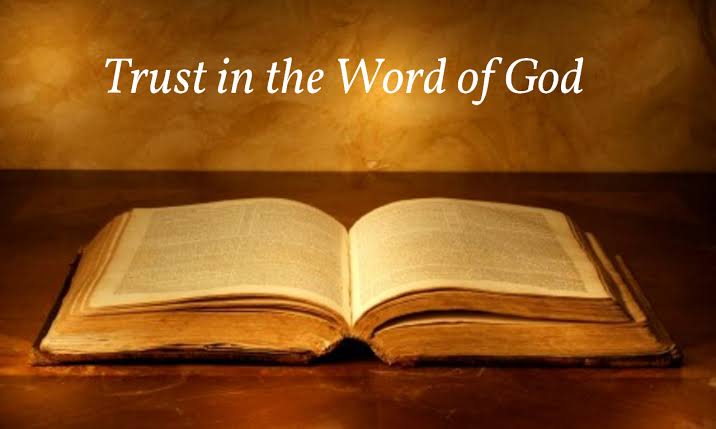
Trust in God’s Word
- Divine revelation
- Anchor of academic and community life
- Identity-shaping
- Hope-inducing
- Worldview creating
All Scripture is God-breathed and is useful for teaching, rebuking, correcting and training in righteousness, so that the servant of God may be thoroughly equipped for every good work.
2 Timothy 3:16

Depend on the Lord
- God never changes
- People provided by God for the DTS mission
- Prayer for increasing reliance on Him
- Source of spiritual growth and ministry strength
Trust in the Lord with all your heart and lean not on your own understanding; in all your ways submit to him, and he will make your paths straight.
Proverbs 3:5-6

Love Others as Ourselves
- Love is a disciple’s hallmark
- Manifests in respect and honor for all image-bearers
- Unity in Jesus Christ and variety in His body and the world
- Relationship building as part of God’s good work for us
My command is this: Love each other as I have loved you. Greater love has no one than this: to lay down one’s life for one’s friends.
John 15:12-13

Pursue Excellence in Everything
- The Triune God is worthy of our best for His glory
- Resources directed toward the good of others and JWORD
- Community coordination for God’s work at JWORD
- Service to God over personal gain
Whatever you do, work at it with all your heart, as working for the Lord, not for human masters, since you know that you will receive an inheritance from the Lord as a reward. It is the Lord Christ you are serving.
Colossians 3:23-24

Serve Our Students Everywhere
- Students are the heart of the JWORD mission
- Seeking the best learning environment
- Truth and charity characterizing seminary dialogue
- Employees sacrificially meeting student needs
Do nothing out of selfish ambition or vain conceit. Rather, in humility value others above yourselves, not looking to your own interests but each of you to the interests of the others.
Philippians 2:3-4
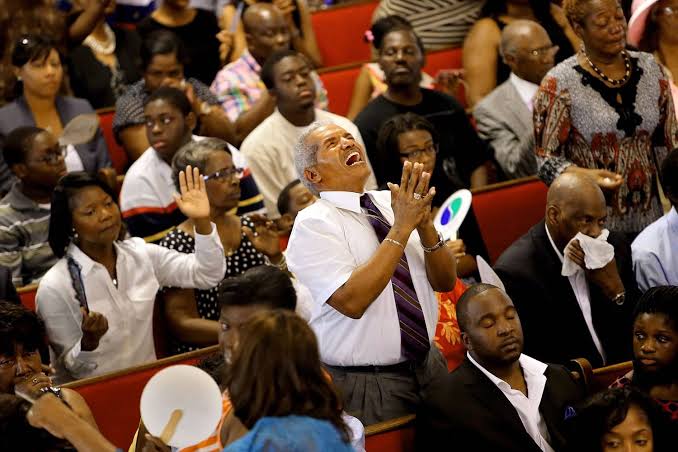
Strengthen the Church Worldwide
- Global disciple-making
- Mutual learning and serving alongside the global church
- Resources and opportunities for encouragement
- Anticipating every nation, tribe, people, and language worshipping God
May God be gracious to us and bless us and make his face shine on us—so that your ways may be known on earth, your salvation among all nations. May the peoples praise you, God; may all the peoples praise you.
Psalm 67:1-3
Article of Faith & Doctrine
While our faculty and board annually affirm their agreement with the full doctrinal statement (below), students need only agree with these seven Christian essentials
Article I—The Scriptures
We believe that “all Scripture is given by inspiration of God,” by which we understand the whole Bible is inspired in the sense that holy men of God “were moved by the Holy Spirit” to write the very words of Scripture. We believe that this divine inspiration extends equally and fully to all parts of the writings—historical, poetical, doctrinal, and prophetical—as appeared in the original manuscripts. We believe that the whole Bible in the originals is therefore without error. We believe that all the Scriptures center about the Lord Jesus Christ in His person and work in His first and second coming, and hence that no portion, even of the Old Testament, is properly read or understood until it leads to Him. We also believe that all the Scriptures were designed for our practical instruction. (Mark 12:26, 36; Luke 24:27, 44; John 5:39; 16:13; Acts 1:16; 17:2–3; 18:28; 26:22–23; 28:23; Rom. 15:4; 1 Cor. 2:13; 10:11; 2 Tim. 3:16; 2 Pet. 1:21)
Article II—The Godhead
We believe that God is the all-powerful Creator and Sustainer of all things visible and invisible, who eternally exists in three Persons—the Father, the Son, and the Holy Spirit; and that these three are one God, having precisely the same nature, attributes, and perfections, and are worthy of precisely the same homage, confidence, and obedience. (Matt. 28:18–19; Mark 12:29; John 1:14; Acts 5:3–4; 2 Cor. 13:14; Heb. 1:1–3; Rev. 1:4–6)
Article III—Angels, Fallen and Unfallen
We believe that God created an innumerable company of sinless spiritual beings known as angels; that one, “Lucifer, son of the morning”—the highest in rank—sinned through pride, thereby becoming Satan; that a great company of the angels followed him in his moral fall, some of whom became demons and are active as his agents and associates in the prosecution of his unholy purposes, while others who fell are “reserved in everlasting chains under darkness for the judgment of the great day.” (Isa. 14:12–17; Ezek. 28:11–19; 1 Tim. 3:6; 2 Pet. 2:4; Jude 6)
We believe that Satan is the originator of sin and that under the permission of God, he, through subtlety, led our first parents into transgression, thereby accomplishing their moral fall and subjecting them and their posterity to his own power; that he is the enemy of God and the people of God, opposing and exalting himself above all that is called God or that is worshiped; and that he who in the beginning said, “I will be like the most High,” in his warfare appears as an angel of light, even counterfeiting the works of God by fostering religious movements and systems of doctrine, which systems in every case are characterized by a denial of the efficacy of the blood of Christ and of salvation by grace alone. (Gen. 3:1–19; Rom. 5:12–14; 2 Cor. 4:3–4; 11:13–15; Eph. 6:10–12; 2 Thess. 2:4; 1 Tim. 4:1–3)
We believe that Satan was judged at the Cross, though not then executed, and that he, a usurper, now rules as the “god of this world”; that, at the second coming of Christ, Satan will be bound and cast into the abyss for a thousand years; and after the thousand years he will be loosed for a short season and then “cast into the lake of fire and brimstone,” where he “shall be tormented day and night for ever and ever.” (Col. 2:15; Rev. 20:1–3, 10)
We believe that a great company of angels kept their holy estate and are before the throne of God, from where they are sent forth as ministering spirits to minister for them who shall be heirs of salvation. (Luke 15:10; Eph. 1:21; Heb. 1:14; Rev. 7:12)
We believe that humanity was made lower than the angels; and that, in His incarnation, Christ took for a little time this lower place, that He might lift the believer to His own sphere above the angels. (Heb. 2:6–10)
Article IV—Humanity, Created and Fallen
We believe that humanity was created in the image and after the likeness of God. God created them male (man) and female (woman). Men and women are sexually different but have equal personal dignity. Some men and women are called to remain single; some are called to marriage, which is a “one flesh” union between one man and one woman intended to end only upon a spouse’s death. This union allows for procreation as well as furtherance of the moral, spiritual, and public good. Therefore, sexual acts outside of biblical marriage are prohibited by Scripture.
All humanity—male and female, whether married or single—are fallen beings. Through sin, and as a consequence of that sin, all humanity lost their spiritual life, becoming dead in trespasses and sins, and became subject to the power of the devil. We also believe that this spiritual death, or total depravity of human nature, has been transmitted to the entire human race, the Man Christ Jesus alone being excepted; and that as a result every child of Adam is born into the world with a nature that not only possesses no spark of divine life, but also is essentially and unchangeably bad apart from divine grace. (Gen. 1:26–28; 2:18–24; 3:7–8; Exod. 20:14; Lev. 18:7–23; 20:10–21; Deut. 5:18; Matt. 5:27–28; 15:19; 19:4–9; Mark 10:5–9; Rom. 1:26–32; 8:8; 1 Cor. 6:9–13; 1 Cor 7:6–8; Gal. 5:19; Eph. 4:17–19; 5:25–27, 31–33; Col. 3:5; 1 Thess. 4:3; Heb. 13:4; 21:2)
Article V—The Dispensations
We believe that the dispensations are stewardships by which God administers His purpose on the earth through human beings under varying responsibilities. We believe that the changes in the dispensational dealings of God with people depend on changed conditions or situations in which they are successively found with relation to God, and that these changes are the result of human failures and the judgments of God. We believe that different administrative responsibilities of this character are manifest in the biblical record, that they span the entire history of humanity, and that each ends in failure under the respective test and in an ensuing judgment from God. We believe that three of these dispensations or rules of life are the subject of extended revelation in the Scriptures—namely, the dispensation of the Mosaic Law, the present dispensation of grace, and the future dispensation of the millennial kingdom. We believe that these are distinct and are not to be intermingled or confused, as they are chronologically successive.
We believe that the dispensations are not ways of salvation nor different methods of administering the “Covenant of Grace.” They are not in themselves dependent on covenant relationships but are ways of life and responsibility that test the submission of people to God’s revealed will during a particular time. We believe that if people trust in their own efforts to gain the favor of God or salvation under any dispensational test, because of inherent sin their failure to satisfy fully the just requirements of God is inevitable and their condemnation sure.
We believe that according to the “eternal purpose” of God, salvation in the divine reckoning is always by grace through faith and rests upon the basis of the shed blood of Christ. We believe that God has always been gracious, regardless of the ruling dispensation, but that people have not at all times been under an administration or stewardship of grace as is true in the present dispensation. (1 Cor. 9:17; Eph. 2:8; 3:2; 3:9, 11; Col. 1:25; 1 Tim. 1:4)
We believe that it has always been true that “without faith it is impossible to please” God, and that the principle of faith was prevalent in the lives of all the Old Testament saints. However, we believe that it was historically impossible that they should have had as the conscious object of their faith the incarnate, crucified Son, the Lamb of God, and that it is evident that they did not comprehend as we do that the sacrifices depicted the person and work of Christ. We believe also that they did not understand the redemptive significance of the prophecies or types concerning the sufferings of Christ; therefore, we believe that their faith toward God was manifested in other ways as is shown by the long record in Hebrews 11:1–40. We believe further that their faith thus manifested was counted to them for righteousness. (John 1:29; Rom. 4:3 with Gen. 15:6; Rom. 4:5–8; 1 Pet. 1:10–12; Heb. 11:6–7)
Article VI—The First Advent
We believe that, as provided and purposed by God and as preannounced in the prophecies of the Scriptures, the eternal Son of God came into this world that He might manifest God to humanity, fulfill prophecy, and become the redeemer of a lost world. To this end He was born of the virgin and received a human body and a sinless human nature.
We believe that the Son retained all the attributes of deity in His incarnation and that the distinction between the human and divine natures was in no way annulled by the union. (Luke 1:30–35; 2:40 John 1:1–2, 18; 3:16; Phil. 2:5–8; Heb. 4:15)
We believe that in fulfillment of prophecy Jesus came first to Israel as her Messiah-King and that, being rejected by that nation, He, according to the eternal counsels of God, gave His life as a ransom for all. (John 1:11; Acts 2:22–24; 1 Tim. 2:6; Heb 2:9; 1 John 2:2)
We believe that, in infinite love for the lost, Jesus voluntarily accepted His Father’s will and became the divinely provided sacrificial Lamb and took away the sin of the world, bearing the holy judgments against sin that the righteousness of God must impose. His death was therefore substitutionary in the most absolute sense—the just for the unjust—and by His death He became the Savior of the lost. (John 1:29; Rom. 3:25–26; 2 Cor. 5:14; Heb. 10:5– 14; 1 Pet. 3:18)
We believe that, according to the Scriptures, the Lord Jesus Christ rose from the dead in the same body, though glorified, in which He had lived and died, and that His resurrection body is the pattern of the body that ultimately will be given to all believers. (John 20:20; Phil. 3:20–21)
We believe that, on departing from the earth, Jesus was accepted by His Father and that His acceptance is a final assurance to believers that His redeeming work was perfectly accomplished. (Heb. 1:3)
We believe that Jesus became Head over all things to the church, which is His body, and in this ministry He continually intercedes and advocates for the saved. (Eph. 1:22–23; Heb. 7:25; 1 John 2:1)
Article VII—Salvation Only Through Christ
We believe that, owing to universal death through sin, no one can enter the kingdom of God unless born again; and that no degree of reformation however great, no attainments in morality however high, no culture however attractive, no baptism or other ordinance however administered, can help the sinner to take even one step toward heaven; but a new nature imparted from above, a new life implanted by the Holy Spirit through the Word, is absolutely essential to salvation, and only those thus saved are children of God. We believe, also, that our redemption has been accomplished solely by the blood of our Lord Jesus Christ, who was made to be sin and was made a curse for us, dying in our place; and that no repentance, no feeling, no faith, no good resolutions, no sincere efforts, no submission to the rules and regulations of any church, nor all the churches that have existed since the days of the apostles can add in the very least degree to the value of the blood or to the merit of the finished work wrought for us by Him who united in His person true and proper deity with perfect and sinless humanity. (Lev. 17:11; Isa. 64:6; Matt. 26:28; John 3:7–18; Rom. 5:6–9; 2 Cor. 5:21; Gal. 3:13; 6:15; Eph. 1:7; Phil. 3:4–9; Titus 3:5; James 1:18; 1 Pet. 1:18–19, 23)
We believe that the new birth of the believer comes only through faith in Christ and that repentance is a vital part of believing and is in no way, in itself, a separate and independent condition of salvation; nor are any other acts, such as confession, baptism, prayer, or faithful service, to be added to believing as a condition of salvation. (John 1:12; 3:16, 18, 36; 5:24; 6:29; Acts 13:39; 16:31; Rom. 1:16–17; 3:22, 26; 4:5; 10:4; Gal. 3:22)
ArticleVIII —Sanctification
We believe that sanctification, which is a setting-apart for God, is threefold: It is already complete for every saved person because the position of each toward God is the same as Christ’s position. Since believers are in Christ, they are set apart for God in the measure in which Christ is set apart for God. We believe, however, that they retain their sin nature, which cannot be eradicated in this life. Therefore, while the standing of believers in Christ is perfect, their present state is no more perfect than their experience in daily life. There is, therefore, a progressive sanctification wherein Christians are to “grow in grace” and to “be changed” by the unhindered power of the Spirit. We believe also that the children of God will yet be fully sanctified in their state as they are now sanctified in their standing in Christ when they shall see their Lord and shall be “like Him.” (John 17:17; 2 Cor. 3:18; 7:1; Eph. 4:24; 5:25–27; 1 Thess. 5:23; Heb. 10:10, 14; 12:10)
Article IX—Assurance
We believe it is the privilege, not only of some, but of all who are born again by the Spirit through faith in Christ as revealed in the Scriptures, to be assured of their salvation from the very day they take Christ to be their Savior and that this assurance is not founded on any fancied discovery of their own worthiness or fitness, but wholly upon the testimony of God in His written Word, prompting within His children filial love, gratitude, and obedience. (Luke 10:20; 22:32; 2 Cor. 5:1, 6–8; 2 Tim. 1:12; Heb. 10:22; 1 John 5:13)
Article X—The Holy Spirit
We believe that the Holy Spirit, the Third Person of the blessed Trinity, though omnipresent from all eternity, took up residence in the world in a special sense on the day of Pentecost according to the divine promise, dwells in every believer, and by His baptism unites all to Christ in one body, and that He, as the Indwelling One, is the source of all power and all acceptable worship and service. We believe that the Spirit never departs from the church, nor from the feeblest of the saints, but is ever present to testify of Christ, seeking to occupy believers with Christ and not with themselves nor with their experiences. We believe that His presence in the world in this special sense will cease when Christ comes to receive His own at the completion of the church. (John 14:16–17; 16:7–15; 1 Cor. 6:19; Eph. 2:22; 2 Thess. 2:7)
We believe that, in this age, certain well-defined ministries are committed to the Holy Spirit, and that it is the duty of all Christians to understand them and to be adjusted to them in their own life and experience. These ministries are the restraining of evil in the world to the measure of the divine will; the convicting of the world respecting sin, righteousness, and judgment; the regenerating of all believers; the indwelling and anointing of all who are saved, thereby sealing them for the day of redemption; the baptizing into the one body of Christ of all who are saved; and the continued filling for power, teaching, and service of those among the saved who are yielded to Him and who are subject to His will. (John 3:6; 16:7–11; Rom. 8:9; 1 Cor. 12:13; Eph. 4:30; 5:18; 2 Thess. 2:7; 1 John 2:20–27)
Article XI—The Church, A Unity of Believers
We believe that all who are united to the risen and ascended Son of God are members of the church, which is the body and bride of Christ, began at Pentecost, and is distinct from Israel. The church’s members are constituted as such regardless of membership or nonmembership in the organized churches of earth. We believe that by the same Spirit all believers in this age, whether Jews or Gentiles, are baptized into, and thus become, one body that is Christ’s. And having become members one of another, they are under solemn duty to keep the unity of the Spirit in the bond of peace, rising above all sectarian differences, and loving one another with a pure heart fervently. (Matt. 16:16–18; Acts 2:42–47; Rom. 12:5; 1 Cor. 12:12–27; Eph. 1:20–23; 4:3–10; Col. 3:14–15)
Article XII—The Sacraments or Ordinances
We believe that water baptism and the Lord’s Supper are the sacraments/ordinances of the church, and that they are a scriptural means of testimony for the church in this age. (Matt. 28:19; Luke 22:19–20; Acts 10:47–48; 16:32–33; 18:7–8; 1 Cor. 11:26)
Article XIII—The Christian Walk
We believe that all believers are called with a holy calling to walk not after the flesh but after the Spirit and so to live in the power of the indwelling Spirit, that we will not fulfill the lust of the flesh. But the flesh with its fallen, Adamic nature, which in this life is never eradicated, being with us to the end of our earthly pilgrimage, needs to be kept by the Spirit constantly in subjection to Christ, or it will surely manifest its presence in our lives to the dishonor of our Lord. (Rom. 6:11–13; 8:2, 5–14; Gal. 5:16–23; Eph. 4:22–24; Col. 2:1–10; 1 Pet. 1:14–16; 1 John 1:4–7; 3:5–9)
Article XIV—The Christian’s Service
We believe that divine, enabling gifts for service are bestowed by the Spirit upon all who are saved. While there is a diversity of gifts, each believer is energized by the same Spirit, and each is called to divinely appointed service as the Spirit may will. In the apostolic church there were certain gifted people—apostles, prophets, evangelists, pastors, and teachers—who were appointed by God for the perfecting of the saints for their work of the ministry. We believe also that today some are especially called of God to be evangelists, pastors, and teachers, and that it is to the fulfilling of His will and to His eternal glory that these shall be sustained and encouraged in their service for God. (Rom. 12:6; 1 Cor. 12:4–11; Eph. 4:11)
We believe that wholly apart from salvation benefits, which are bestowed equally upon all who believe, rewards are promised according to the faithfulness of each believer’s service to the Lord, and that these rewards will be bestowed at the judgment seat of Christ after He comes to receive His own to Himself. (1 Cor. 3:9–15; 9:18–27; 2 Cor. 5:10)
We believe that some miraculous manifestations of the Holy Spirit were unique to the apostolic period for the provision of new revelation and the establishment of the authority of the apostles and prophets. Such abilities and confirmatory signs, wonders, and miracles, which centered on individual apostles and prophets, ceased with the passing of these foundational offices and the closing of the era of authoritative New Testament revelation. Even at that time, prophesying and speaking in tongues as signs and sources of revelation were never the common or necessary mark of the baptism nor of the filling of the Spirit. While God may perform miracles in every age as He wills, the ultimate promise of deliverance of the body from sickness or death awaits the consummation of our salvation in the resurrection. (Acts 4:8, 31; Rom. 8:18–25; 1 Cor. 12:28, 30; 13:8; 14:22; 2 Cor. 12:12; Eph 2:20; Heb. 2:3–4; Rev. 21:3–4)
Article XV—The Great Commission
We believe that it is the explicit message of our Lord Jesus Christ to those whom He has saved that they are sent forth by Him into the world even as He was sent forth by His Father into the world. We believe that, after salvation, Christians are divinely reckoned to be related to this world as strangers and pilgrims, ambassadors and witnesses, and that their primary purpose in life should be to make Christ known to the whole world. (Matt. 28:18–19; John 17:18; Acts 1:8; 2 Cor. 5:18–20; 1 Pet. 1:17; 2:11)
Article XVI—The Blessed Hope
We believe that, according to the Word of God, the next great event in the fulfillment of prophecy will be the coming of the Lord in the air to receive to Himself into heaven both His own who are alive and remain until His coming and also all who have fallen asleep in Jesus. This event is the blessed hope described in Scripture, and for this we should be constantly looking. (John 14:1–3; 1 Cor. 15:51–52; Phil. 3:20; 1 Thess. 4:13–18; Titus 2:11–14)
Article XVII—The Tribulation
We believe that the translation of the church will be followed by the fulfillment of Israel’s seventieth week, during which the church, the body of Christ, will be in heaven. The whole period of Israel’s seventieth week will be a time of judgment on the whole earth, at the end of which the times of the Gentiles will be brought to a close. The latter half of this period will be the time of Jacob’s trouble, which our Lord called the great tribulation. We believe that universal righteousness will not be realized prior to the second coming of Christ, but that the world is day by day ripening for judgment and that the age will end with a fearful apostasy. (Jer. 30:7; Dan. 9:27; Matt. 24:15–21; Rev. 6:1–19:21)
Article XVIII—The Second Coming of Christ
We believe that the period of great tribulation on the earth will climax in the return of the Lord Jesus Christ. He will return to the earth as He went—in person on the clouds of heaven—and with power and great glory. He will thus introduce the millennial age; bind Satan and place him in the abyss; lift the curse that now rests on the whole creation; restore Israel to her own land and give her the realization of God’s covenant promises; and bring the whole world to the knowledge of God. (Deut. 30:1–10; Isa. 11:9; Ezek. 37:21–28; Matt. 24:15–25:46; Acts 15:16–17; Rom. 8:19–23; 11:25–27; 1 Tim. 4:1–3; 2 Tim. 3:1–5; Rev. 20:1–3)
Article XIX—The Eternal State
We believe that at death the spirits and souls of those who have trusted in the Lord Jesus Christ for salvation pass immediately into His presence. There they remain in conscious bliss until the resurrection of the glorified body given when Christ comes for His own, whereupon soul and body reunited shall be associated with Him forever in glory. But after their deaths the spirits and souls of unbelievers remain conscious of condemnation and in misery until the final judgment of the great white throne at the close of the millennium, when soul and body reunited shall be cast into the lake of fire, not to be annihilated, but to be punished with everlasting destruction from the presence of the Lord and from the glory of His power. (Luke 16:19–26; 23:42–43; 2 Cor. 5:8; Phil. 1: 23; 2 Thess. 1:7–9; Jude 6–7; Rev. 20:11–15)